You Probably Didn’t Know these Everyday Habits that Damage Your Teeth
When most people think about tooth damage, they imagine skipping dental visits, eating too much candy, or forgetting to brush. While those are certainly harmful, there are also many small everyday habits that slowly chip away at your oral health without you even realizing it. Some of these are things you do out of convenience, comfort, or stress relief, but they can lead to enamel erosion, gum recession, cracked teeth, or costly dental emergencies over time.
At Emergency Dental of Denver, we often treat patients who thought they were doing everything right but didn’t realize how certain habits were undermining their oral health. To help you stay ahead of problems, we’ve put together this guide on the most common everyday dental mistakes—and how to fix them.
1. Chewing on Ice or Hard Objects
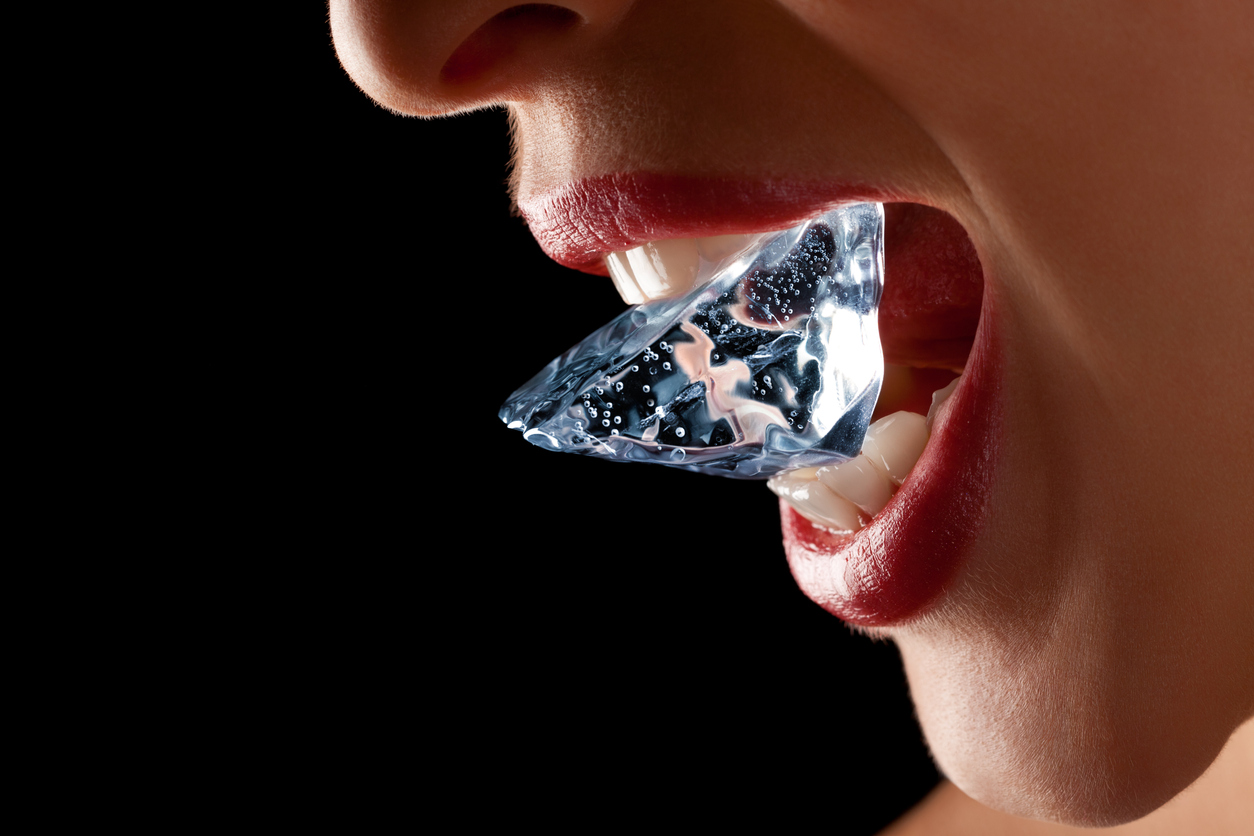
Many people unconsciously chew on ice after finishing a drink, or gnaw on pen caps and pencils while concentrating. While it may seem harmless, these habits can cause real damage (University of Utah).
-
The problem: Ice and hard objects put excessive pressure on teeth, which can cause small cracks in the enamel. Over time, these cracks weaken the tooth structure and may lead to painful fractures.
-
Extra concern: Restorations like fillings and crowns are especially at risk of breaking.
-
Better option: Choose sugar-free gum if you need something to chew on, or sip cold water without chewing the ice.
2. Using Teeth as Tools

It happens more often than you might think—tearing open packages, holding nails or bobby pins, or even trying to pop off a bottle cap with your teeth. While it may be convenient in the moment, it comes at a high cost.
-
The problem: Using teeth as tools can chip or crack enamel, damage restorations, and even loosen healthy teeth.
-
Better option: Keep scissors, bottle openers, or the correct tool nearby so your teeth don’t become the backup option.
3. Grinding and Clenching (Bruxism)
Stress is common, and one of the ways it shows up is in teeth grinding. Some people clench during the day without realizing it, while others grind their teeth at night in their sleep (News in Health).
-
The problem: Over time, grinding wears down enamel, flattens tooth surfaces, and increases sensitivity. It can also cause jaw pain, headaches, and fractures in the enamel.
-
Better option: Talk to your dentist about a custom nightguard to protect your teeth. Stress-relief activities such as stretching, exercise, or meditation can also help reduce clenching.
4. Constant Snacking

Snacking may seem harmless, but grazing all day is one of the easiest ways to increase your risk of cavities. Every time you eat, acids are released in your mouth as bacteria break down food particles.
-
The problem: Constant snacking doesn’t give your enamel time to recover between acid attacks. Even healthy snacks like crackers or dried fruit can be harmful when eaten frequently.
-
Better option: Stick to balanced meals when possible and keep snacks to a minimum. When you do snack, rinse with water afterward to reduce acid exposure.
5. Drinking Too Many Sugary or Acidic Beverages

Denver is known for its coffee shops, craft beer, and outdoor lifestyle fueled by sports drinks. Unfortunately, many of these beverages are tough on your teeth.
-
The problem: Sugary drinks feed cavity-causing bacteria, while acidic beverages like coffee, wine, soda, and energy drinks erode enamel over time.
-
Better option: Limit consumption, use a straw to minimize contact with your teeth, and drink water alongside your beverage of choice to rinse away sugar and acid.
6. Brushing Too Hard
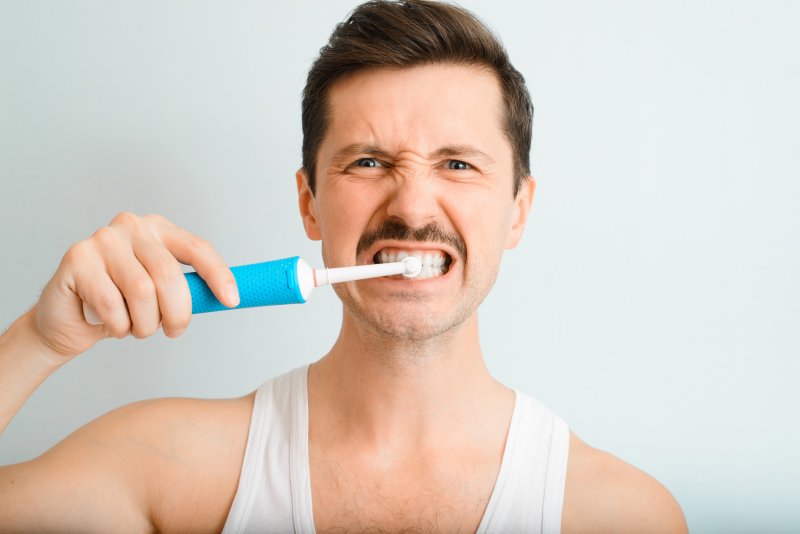
Brushing is vital, but there’s a right and wrong way to do it. Many people believe that brushing harder means cleaner teeth, but the opposite is true (Colgate).
-
The problem: Brushing too hard can wear down enamel, push gums back, and increase tooth sensitivity.
-
Better option: Use gentle circular motions with a soft-bristled toothbrush. Brushing for two full minutes twice a day is more effective than brushing aggressively for a shorter time.
7. Forgetting to Floss
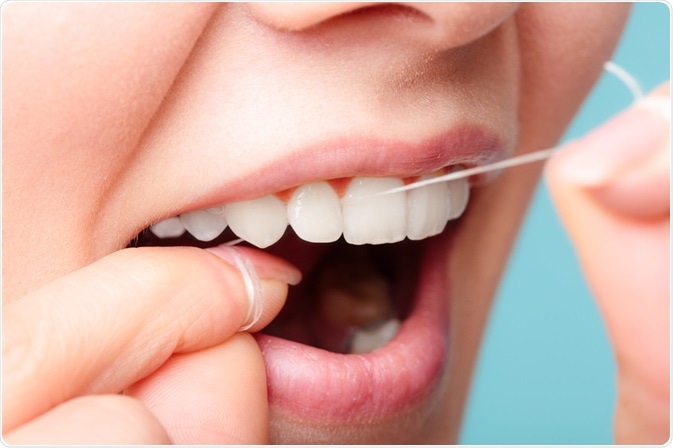
Even if you brush twice a day, neglecting to floss leaves up to 40% of your tooth surfaces uncleaned. Plaque between teeth can harden into tartar, which contributes to gum disease.
-
The problem: Without flossing, bacteria and food particles remain trapped between teeth, causing cavities, gum irritation, and persistent bad breath.
-
Better option: Floss once a day using traditional floss, floss picks, or a water flosser—whatever method works best for you.
8. Ignoring Stress and Poor Sleep

Your overall lifestyle impacts your oral health more than you might think. Stress often leads to habits like grinding or clenching, while poor sleep can cause you to neglect brushing or flossing.
-
The problem: Stress and fatigue not only increase the risk of enamel wear but also make it more likely you’ll skip important parts of your oral hygiene routine.
-
Better option: Make sleep and self-care priorities. A healthy lifestyle supports both your body and your smile.
Conclusion
You might not realize it, but the everyday habits you repeat without thinking could be slowly damaging your teeth. Chewing on ice, brushing too hard, or sipping coffee all day may not cause problems overnight—but over months and years, they can add up to cavities, sensitivity, broken teeth, or even dental emergencies.
The good news is that with awareness and small changes, you can protect your oral health and keep your smile strong. And if a problem does arise, you don’t have to face it alone.
At Emergency Dental of Denver, we’re here to help you identify harmful habits, treat damage before it gets worse, and provide urgent care when emergencies strike.
Visit our website to schedule an appointment and explore our dental blog for more expert advice on keeping your teeth healthy every day.
Frequently Asked Questions (FAQ)
1. Is chewing ice really that harmful for teeth?
Yes. Ice can create micro-cracks in enamel, chip fillings, and cause sudden tooth fractures.
2. How do I know if I grind my teeth at night?
Common signs include morning jaw pain, headaches, or noticing flattened or chipped teeth. Your dentist can confirm during an exam.
3. Are sugar-free sodas safe for teeth?
They may not contain sugar, but they’re still acidic, which weakens enamel and contributes to sensitivity.
4. Can brushing more often hurt my teeth?
Yes. Brushing more than three times a day or brushing aggressively can wear down enamel and irritate gums.
5. What’s one simple change I can make to protect my teeth today?
Replace one sugary or acidic drink with water each day. It’s easy, cost-effective, and makes a noticeable difference.

